In this article:
An essential component of USAF’s SAC
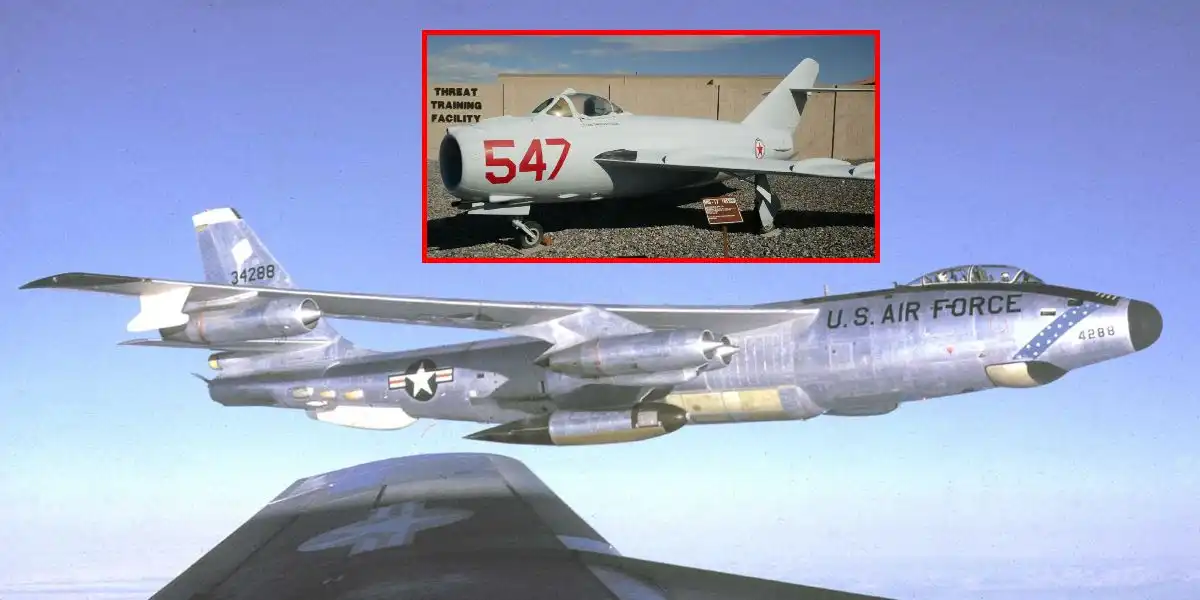
The B-47 Stratojet became an essential component of the US Air Force (USAF)’s Strategic Air Command (SAC) during the 1950s and early 1960s, both as a nuclear bomber and a reconnaissance aircraft. Designed to meet a 1944 requirement, the first XB-47 prototype flew in December 1947, performing far beyond its competitors. It incorporated many advanced features for the time, including swept wings, jet engines in underwing pods, fuselage mounted main landing gear and automated systems that reduced the standard crew size to three.
Between 1947 and 1957, Boeing, Douglas and Lockheed built over 2,000 Stratojets. At its peak use in 1958, the USAF operated 28 B-47 bomb wings and four RB-47 reconnaissance wings, totaling 1,357 B-47s and 175 RB-47s.
Roman I
As told by C. Mike Habermehl in his book B-47 Stratojet Units of the Cold War, during late 1954, Lockheed-Marietta converted two YRB-47Bs (51-2054 and 51-2142) into RB-47B-I Roman I aeroplanes. They carried a leftward-facing camera with a 100-inch lens just ahead of the wing root. The camera was gyro-stabilised at 15–20 degrees below the horizon, and the co-pilot used a 0.50-cal. machine gun gunsight to frame the photograph. The jets were assigned to the 26th SRW at Lockbourne AFB.

Both aircraft deployed to Eielson AFB on 1 April 1955 as part of Operation Seashore. On 17 April 51-2054 was on a peripheral mission along the Kamchatka Peninsula when Soviet MiG-15s shot it down. After the jet’s disappearance, the Roman I programme was discontinued.
RB-47H pilot shooting down a North Korean MiG-17
The last verified attack on an RB-47 happened on 28 April 1965, a decade after the loss of the first RB-47 on 17 April 1955. Lt Col Hobart Mattison was in command of RB-47H 53-4290 over the Sea of Japan near the Korean Peninsula. After co-pilot 1Lt Hank Dubuy spotted two North Korean MiG-17PF ‘Fresco-Ds’ over his right shoulder in a trail position, he turned his seat around, switched the guns to operate and took two photographs of the interceptors.
Suddenly, one MiG-17 opened fire, striking the tail section. Dubuy asked for Mattison’s permission to return fire – he replied, ‘Shoot the bastards’. Dubuy (the copilot doubled as tail gunner using a remotely controlled, radar-directed tail gun) scored hits on the second MiG-17, which immediately entered a nose-down dive that it failed to recover from, impacting the Sea of Japan. The remaining MiG-17 made additional firing passes. After diving to 18,000 ft, Mattison entered a cloud deck and successfully hid from the MiG.

Kill not confirmed by USAF
Badly damaged, the RB-47 lost both elevator controls and normal hydraulic systems. A fire originating in the aft main body fuel tank left a trail of black smoke, and Mattison shut down engines Nos. 3 and 4 to prevent further fuel drainage from feeding a fire. ‘Raven 1’ Capt Robert ‘Red’ Winters manually extended the landing gear and the aeroplane began its approach to Yokota AB.
After an aborted first attempt to land, the nose wheel hit first, causing the jet to balloon 40 ft into the air. The pilots deployed the approach and brake parachutes to blossom during the second bounce, allowing the jet to stop on the runway. The RB-47 was written off. Although confirmed by ground-based listening posts, the USAF did not credit Dubuy with shooting down the North Korean MiG-17.
B-47 Stratojet Units of the Cold War is published by Osprey Publishing and is available to order here.
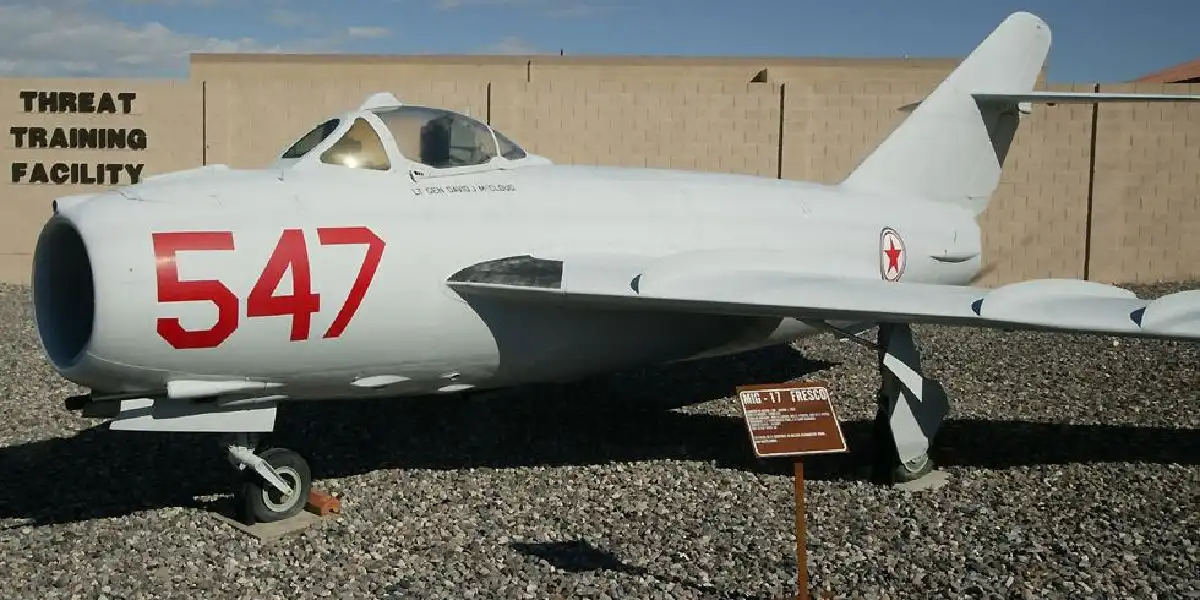
Photo credit: U.S. Air Force and LeCaire Own work via Wikipedia